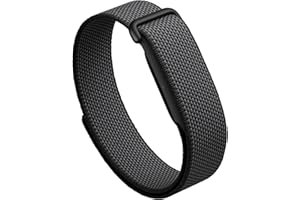
Fitness trackers have evolved from simple pedometers into sophisticated health monitoring devices. Modern trackers can measure heart rate, blood oxygen, sleep quality, stress levels, and even perform ECG scans. Here's how to choose the right one for your goals and budget.
What to Look for in a Fitness Tracker
- Heart rate monitoring: Optical sensors on the wrist. Accuracy varies significantly between models.
- Sleep tracking: Most trackers offer this, but quality varies. Look for detailed stage analysis (light, deep, REM).
- GPS: Built-in GPS drains battery faster but tracks outdoor activities more accurately than phone GPS.
- Battery life: Ranges from 3 days to 30 days. Longer is better unless you want advanced features.
- Water resistance: 5ATM means it's swim-proof. Most people don't need more than this.
Best for iPhone Users: Apple Watch Series 10
Apple Watch Series 10 sets the standard for fitness tracking. The sleep apnea detection, blood oxygen monitoring, and advanced workout metrics make it the most capable tracker available. It's expensive, but if you want the most comprehensive health data, this is it.
Best Value: Fitbit Inspire 3
Fitbit Inspire 3 offers 24/7 heart rate, sleep tracking, and stress management at a fraction of the Apple Watch price. The 10-day battery life means you rarely have to charge it.
Best for Android: Samsung Galaxy Fit 3
Samsung Galaxy Fit 3 delivers comprehensive tracking with a vibrant AMOLED display and 13-day battery life. It syncs seamlessly with Android phones and Samsung Health.
Our Recommendation
For most people, Fitbit Inspire 3 strikes the best balance between features and price. If you're invested in the Apple ecosystem and want the most advanced health features, the Apple Watch Series 10 is worth the premium.
As an Amazon Associate, GoDealPicks earns from qualifying purchases. Prices are approximate and may vary.